

Whisky FAQ's
Hieronder kan je de meest gestelde vragen (FAQ's) over whisky terugvinden.
Deze werden opgesteld in het Engels.
Discover the world of whisky
At Roosburg Fine Spirits, we personally select our products to suit your needs. We understand that the world of whisky can be overwhelming. That's why we are happy to help you find the whisky that suits you perfectly. Discover our range and be surprised.
Enjoyment is the key
Whisky is more than just a drink. It's an experience.
A special product made to be enjoyed, shared with friends or discovered in peace and quiet.
Be seduced by the complex flavours and aromas and discover the rich tradition behind every bottle.

What exactly is whisky?
Whisky is a distilled beverage made from grain, yeast, and water. It is that simple. It is distilled anywhere in the world where grains are grown.
In 99% of cases worldwide, whisky may be called whisky if it has been aged for at least three years in oak barrels. The country of origin must always be stated on a bottle of whisky, but that does not necessarily mean that it is a separate type of whisky. The country of origin is often accompanied by the region. This is not always mandatory, but it is significant.
Comes from Gaelic "uisge beatha" (water of life).

How is whisky made?
Here's a breakdown of the core steps:
- Malting (for barley): Barley grains are steeped in water and allowed to germinate, activating enzymes that convert starch into fermentable sugars, then dried in a kiln, sometimes with peat smoke for flavor.
- Mashing: The dried malt (grist) is mixed with hot water in a mash tun, creating a sweet liquid called wort, while the spent grains (draff) are removed.
- Fermentation: Yeast is added to the cooled wort in large vats (washbacks), converting sugars into alcohol and flavor compounds, resulting in a beer-like liquid called 'wash' (around 7-10% alcohol).
- Distillation: The wash is heated in copper stills (pot or column), vaporizing the alcohol, which rises, then condenses back into a higher-proof liquid (low wines), often distilled again for purity.
- Maturation (Aging): The distilled spirit is placed in oak casks (new or used, ex-bourbon, ex-sherry) to age for a minimum of three years, absorbing color and flavor from the wood, with humidity and temperature influencing the process.
- Bottling: After maturation, the whisky may be blended (married) by a master blender, diluted with water, and then bottled.
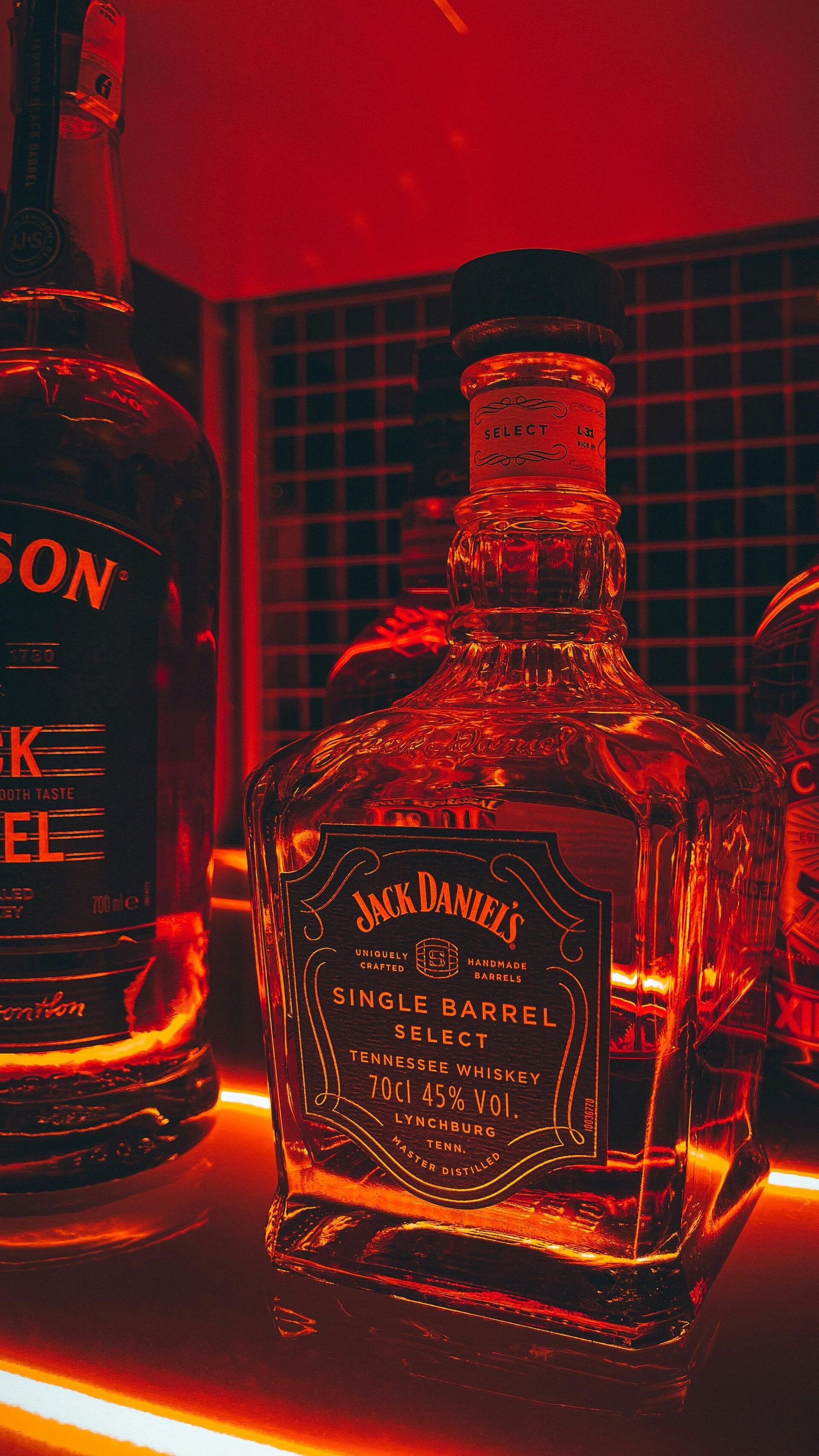
Types of whisky
Whisky/Whiskey
- Scotch: Made in Scotland (no 'e').
- Irish: Made in Ireland (with 'e').
- Bourbon: American whiskey, typically corn-based (with 'e').
- Japanese: World whisky category (no 'e').
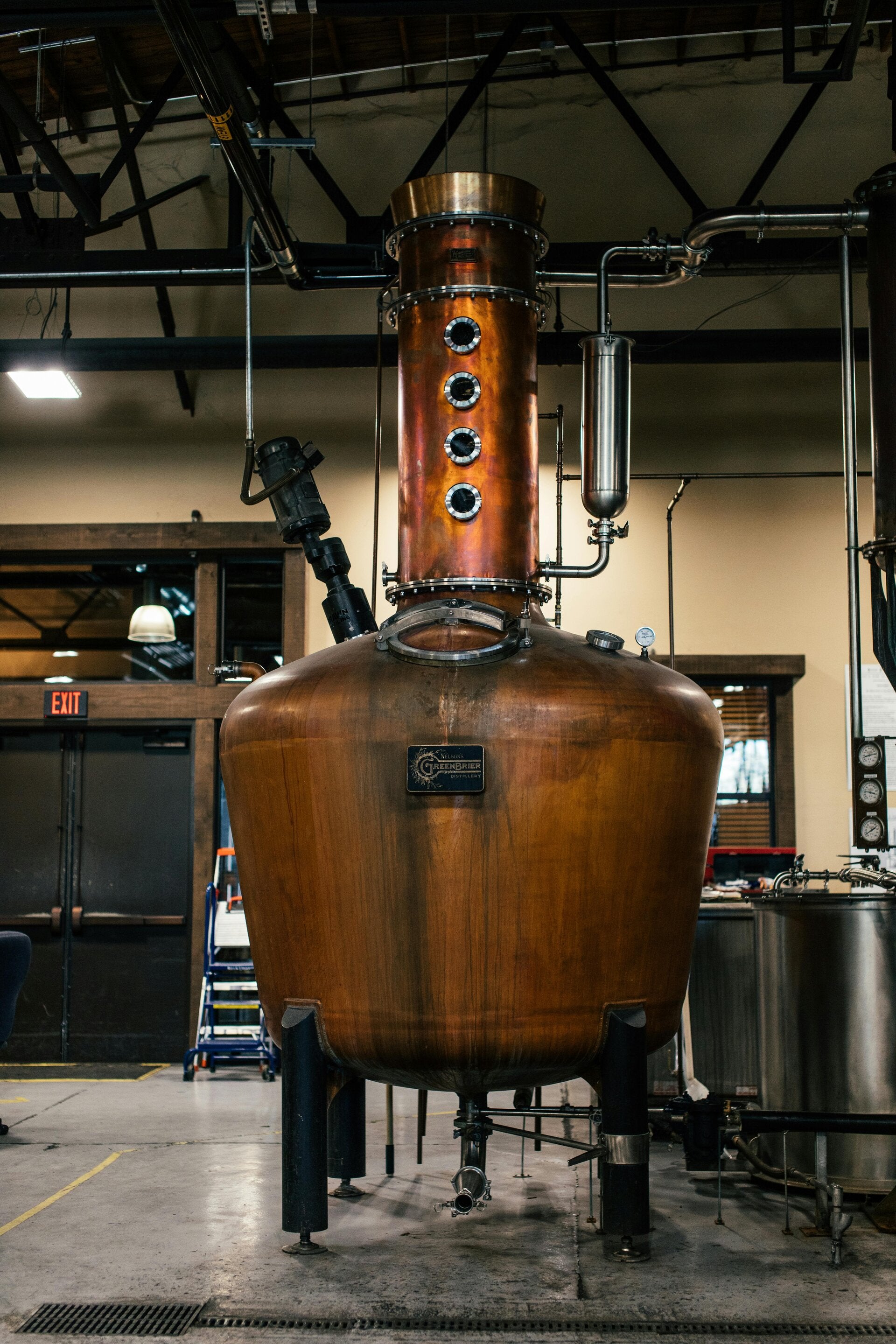
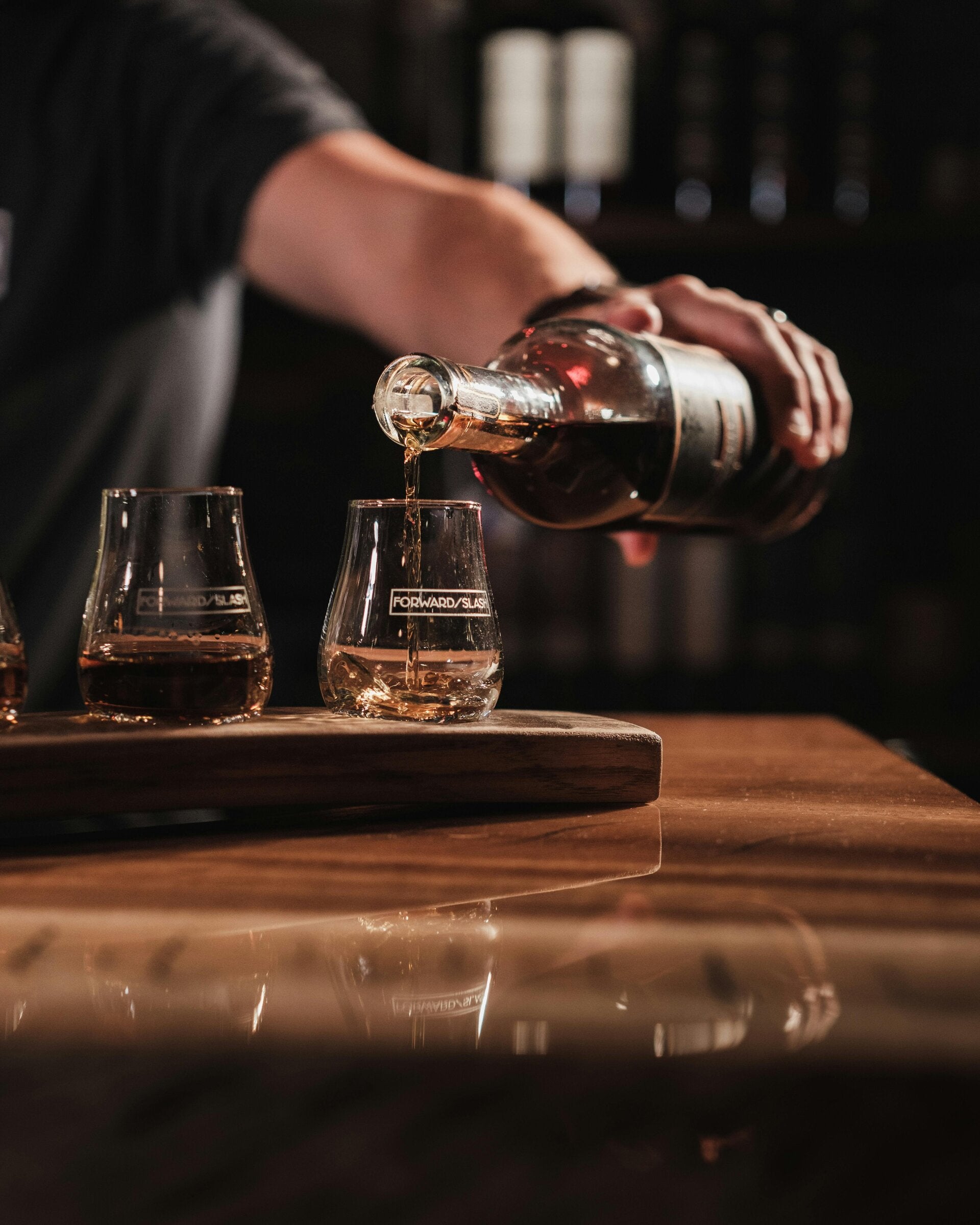
Single malt whisky
The word “single” causes some confusion for many people. A single malt is nothing more and nothing less than the product of one and the same distillery. So not from one cask or even from casks of the same age, but from one distillery.
Single malt whisky is produced from malted barley and distilled in pot stills, the well-known copper distillation kettles.
There are many well-known brands, such as The Macallan, Highland Park, Glenrothes, Wolfburn or Kilchoman from Scotland, or Kavalan from Taiwan.
Blended whisky
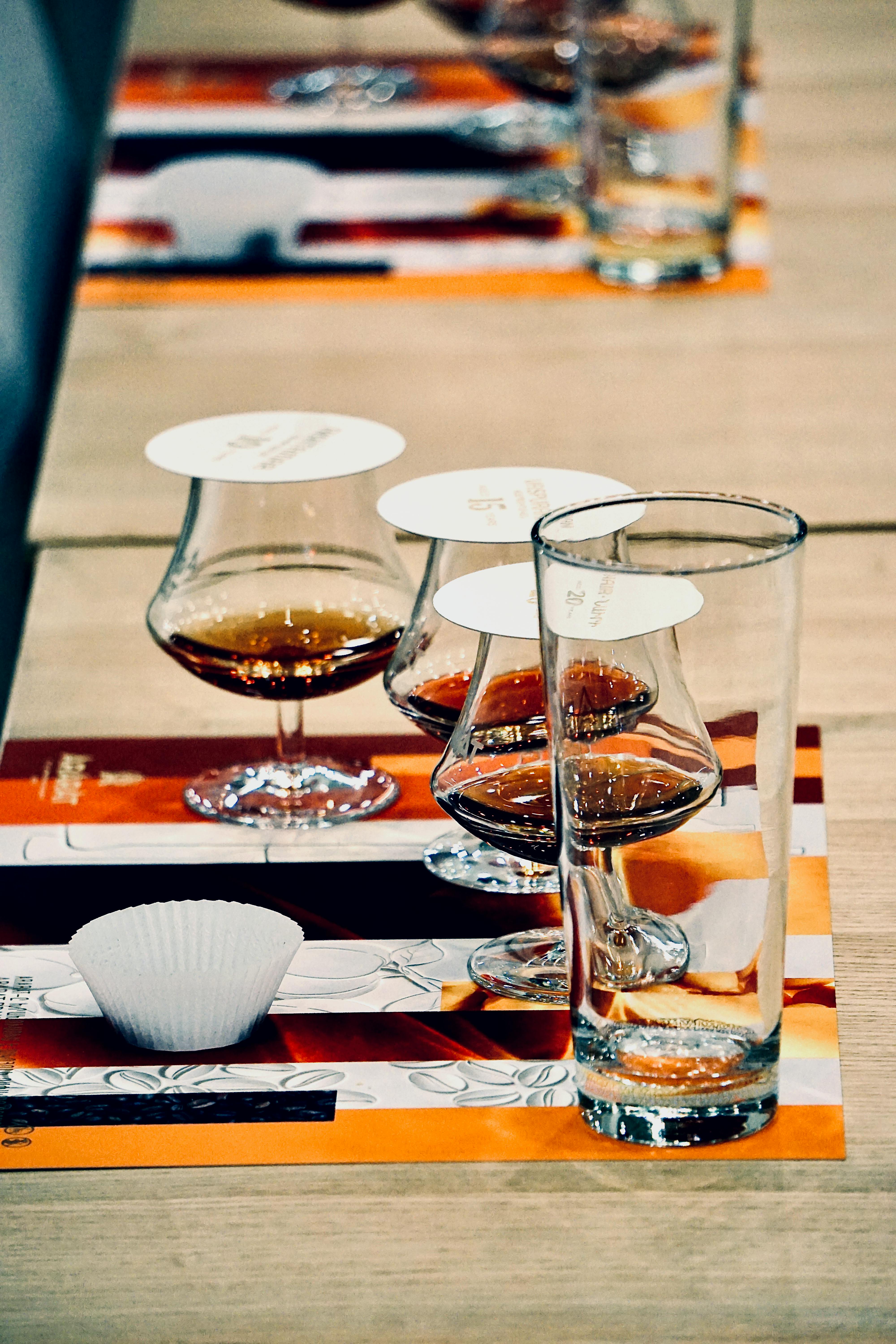
By far the most widely consumed and produced type of whisky in the world. By far means something like 90-95%. The best-known blended whisky is blended Scotch whisky.
Blended whisky is a mixture (blend in jargon) of matured malt whiskies made from malted barley and matured whisky made from other grains, known as grain whisky. The percentage of grain whisky varies considerably from brand to brand. In a blend, a carefully composed symphony of different single malt whiskies forms the powerful, flavourful basis. The grain whisky is lighter and smoother in character, ensuring that the intense, complex flavours are beautifully balanced.
Blended whisky is in no way inferior to single malt; it is simply a different type of whisky.
Blended malt whisky
Blended malt whisky is a blend of exclusively malt whiskies from different distilleries. The main difference with “normal” blended whisky is that blended malts do not contain any grain whisky.
Think of the blended malts from The Cairn distillery.

Whisky regions in Scotland
Scotland has five official whisky regions: Highlands (largest, most varied), Lowlands (mild, light), Speyside (fruity, elegant, many distilleries), Islay (smoky, maritime) and Campbeltown (powerful, full of character), although the “Islands” (islands outside Islay) are often considered a separate, sixth region due to their unique maritime flavour profile.
The regions in detail:
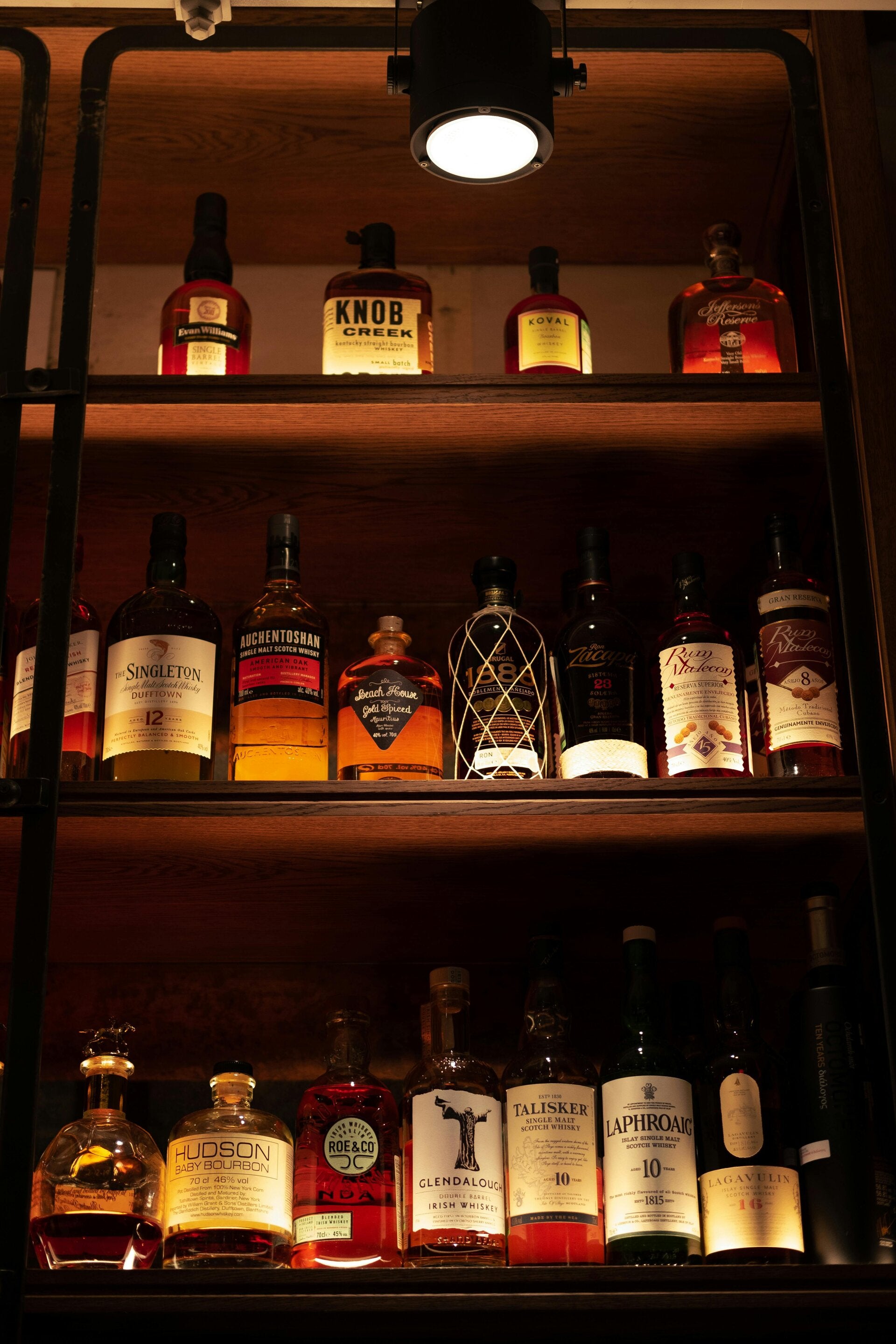
- Highlands: The largest area with enormous variety, from coastal influences to sweet, fruity notes. Well-known distilleries: Oban, Talisker, Glenmorangie.
- Lowlands: Characterised by light, floral and smooth expressions, ideal for beginners. Glenkinchie is an example.
- Speyside: The most densely populated area, known for the River Spey and fruity, sherry-like whiskies (often with little peat). Macallan, Glenfiddich, Glenlivet.
- Islay: A small island with powerful, smoky, “medicinal” and maritime single malts (Lagavulin, Laphroaig).
- Campbeltown: Formerly a major centre, now with only a few distilleries producing robust, salty and fruity whiskies (Springbank, Glen Scotia).
- The Islands: Although technically part of the Highlands, the whiskies of Jura, Arran, Mull (Tobermory) and Orkney (Highland Park) are often considered a separate region due to their distinct salty, peaty and complex flavours.
Aging & storage
- Ages in cask, not bottle: Flavor development stops once bottled.
- Unopened: Can last indefinitely if stored well.
- Opened: Best consumed within 6-12 months to a year for peak flavor due to oxidation.
- Storage: Keep sealed, in a cool, dark place, away from light and extreme temperatures.
Drinking & flavor
- Adding Water: A few drops can open up aromas and smooth the taste.
- Peated: Whisky dried with peat smoke, giving it a smoky flavor (common in Islay Scotch).
- Retro-olfaction: Smelling aromas from the back of the throat after swallowing, crucial for complex tasting.
Keywords:
- Angel's Share: The 2% of spirit that evaporates from a cask each year.